
IPPs and Outcomes Based Assessments as Tools to Support Self Determination


What is Self-Determination Theory?
Self-Determination is an evidence-based theory of human motivation, wellness and growth that is connected to each individual’s need for autonomy, competence and relatedness (Deci & Ryan, 2008). Meeting these needs helps us to increase our confidence, resilience and motivation. In turn, these skills allow us to set and achieve goals, nurture relationships and navigate challenges (Ryan & Deci, 2000*).
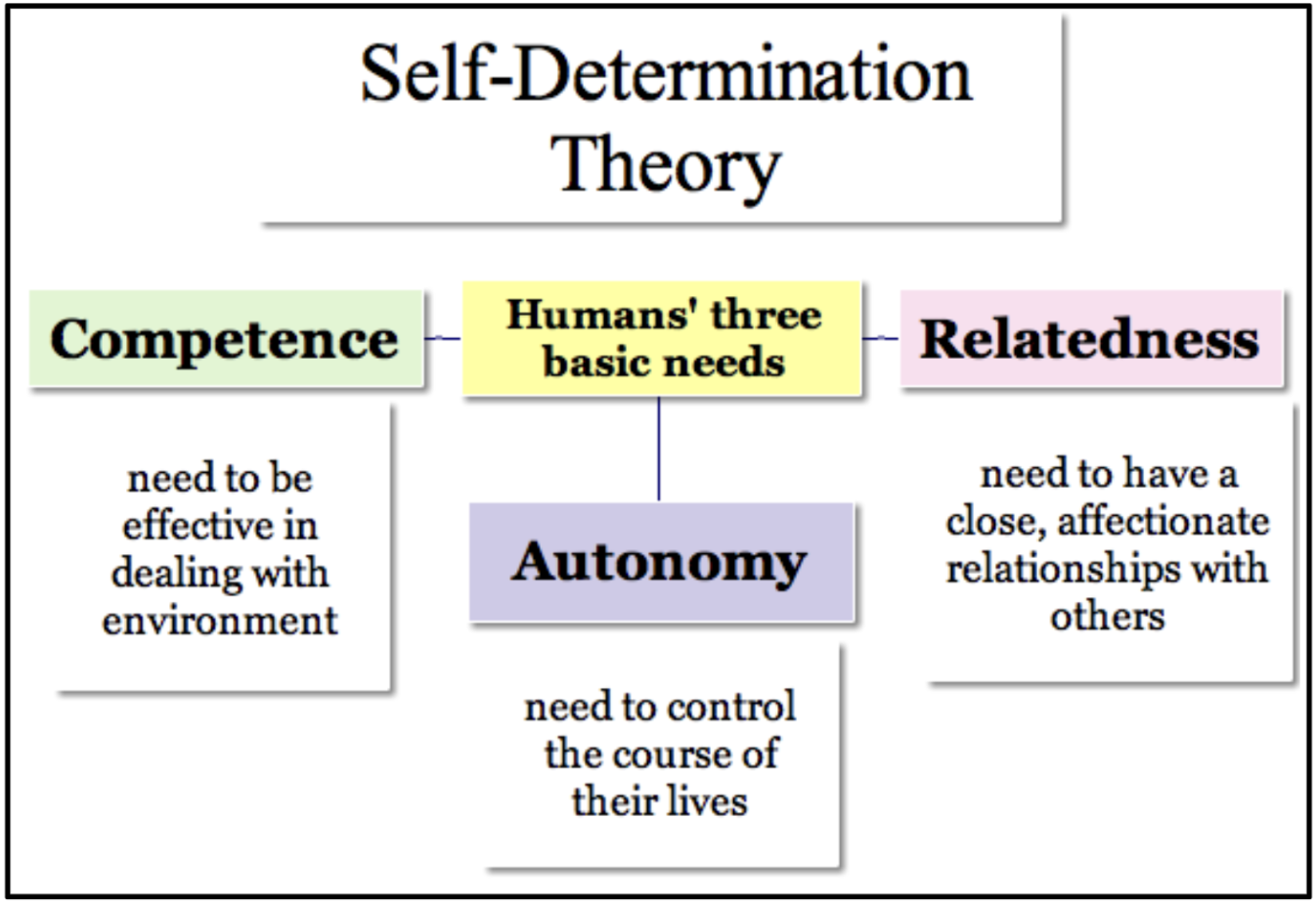
Strengthening students’ ability to advocate, strive for improvement and adapt to change is essential to their overall wellbeing as well as their academic success. This is especially significant for children and youth with Learning Disabilities and ADHD, who display higher instances of struggling with self-regulation, metacognition and confidence (Klassen et al., 2008; Rioch, 2009*).
Helping students build goals that are challenging, realistic, and meaningful enough to sustain intrinsic motivation can be a daunting task. As parents and educators, we can often feel pulled between protecting our children from failure and allowing them to grow and learn when they don’t meet with success. This can be particularly difficult for students with Learning Disabilities and ADHD when they struggle to succeed in the classroom and at home. We can meet these challenges by using effective, evidence-based frameworks and resources that give students the ability to advocate for their needs, make informed choices and meet expectations.
How Can We Support Self-Determination in Children and Youth?
Individual Program Plans (IPPs) and Outcomes Based Assessment practices are powerful tools that foster self-determination by providing students with clear, consistent feedback and effective opportunities to take ownership of their goals and their learning. Both of these frameworks compile and share individualized, detailed and specific information about strengths, areas for growth, strategies, self-reflection and next steps.
Outcomes Based Assessment is an evidence based assessment framework that requires a thorough understanding of the outcomes in a curriculum. Students begin with a clear picture of what is important for them to be able to do (the outcomes) so that they can set accurate, well-defined goals. Knowing the criteria for success allows students to build their metacognitive skills and feel in control of their learning. Being able to answer questions like “How do I know I’m on the right track?” and “What does success look like?” are empowering and highly motivating. Having this insight and control builds the autonomy, competence and relatedness that is essential for growth and wellbeing (Haerens et al., 2018*). Instead of a raw score that does not describe the learning process, the rich, detailed feedback that outcomes based assessment provides helps students to choose a path forward by focusing on specific areas of need. “Students feel a sense of empowerment and work even harder since they are part of the process” (Heflebower et al., 2014, p. 7*).
Individual program plans can be utilized in the same way, offering the opportunity for students to recognize and build on their strengths, think about what they want to achieve and what supports they need to succeed. IPPs are collaborative, living documents that value the essential input of the student and their families. This network of support enables the development of goals that consider the unique context of each child.
IPPs and assessments that effectively build self-determination and meet basic needs in students with Learning Disabilities and ADHD require collaboration and direct, clear communication. Stakeholders must develop a shared understanding of what success looks like for each individual and to commit to ongoing communication, reflection, and adjustment of goals as students grow.
With each of these tools, it is important to develop sustainable expectations that are both challenging and achievable. This means that assessments and IPP goals must be thoughtful, adaptive and measurable.
Two important questions to ask are:
- What does success look like?
- How do we know?
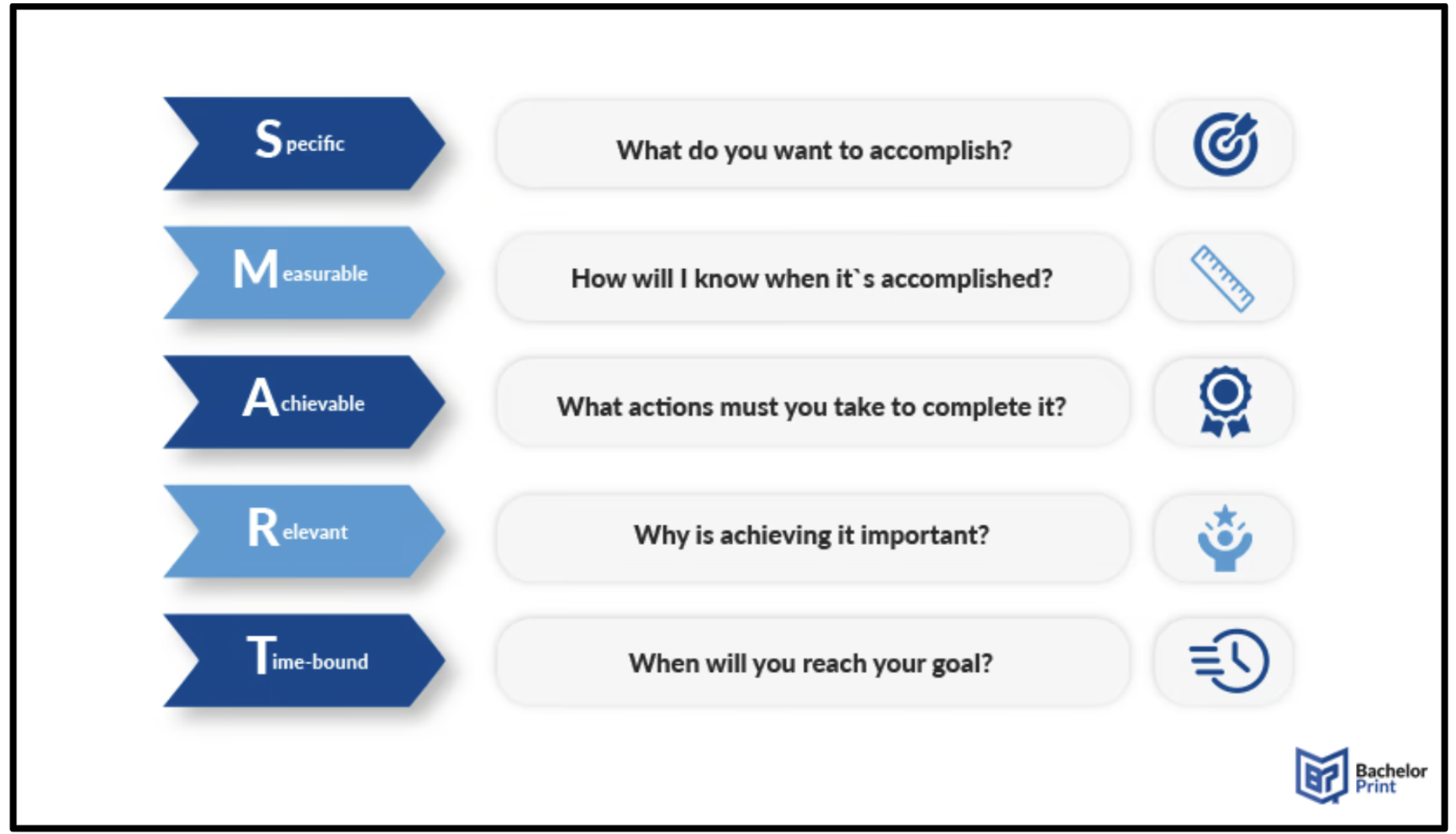
Using the SMART framework helps us answer these questions. Setting goals that are Specific, Measurable, Achievable, Relevant, and Time-bound allows students, parents and educators to develop, measure and reflect on progress, building the confidence and resilience needed to do the hard work of learning.
Why Is This Important?
Combining individualized feedback with collaborative goal setting is a powerful way to build relatedness. Educators and parents must understand the unique needs of students in order to provide meaningful feedback, measure success, and set goals aligned with the SMART framework. Students, in turn, feel connected and supported by adults who truly know them. This also creates opportunities for autonomy by allowing students to think about their own learning so that they understand what they want to prioritize and what success looks like for them. Recognizing their areas of need and individual strengths avoids the trap of comparison. It is an empowering experience that builds long lasting confidence and competence.
For students with Learning Disabilities and ADHD, this collaborative approach can be particularly transformative. By fostering autonomy, competence, and relatedness through thoughtful assessment and individualized planning, educators and families can support students in developing the confidence, resilience, and self-advocacy skills they need to succeed both in school and beyond.
Resources for Parents
Websites:
- Center for Self-Determination: Parenting & Family
- Good Therapy: How Parents Can Foster Autonomy and Encourage Child Development
- Collaborative Parenting: Insights from Ross Greene
- Child Mind Institute: How to Help Kids Learn to Fail
- Understood.org: Self-Advocacy Sentence Starters for Kids Who Learn and Think Differently
Books:
Greene, R. W., & Ross, J. T. (2016). Raising human beings: Creating a collaborative partnership with your child. Simon & Schuster Audio.
*Full list of references available upon request
External Resources
- Center for Self-Determination: Parenting & Family
https://selfdeterminationtheory.org - Good Therapy: How Parents Can Foster Autonomy and Encourage Child Development
https://www.goodtherapy.org - Collaborative Parenting: Insights from Ross Greene
https://whitebearpsychservices.com - Child Mind Institute: How to Help Kids Learn to Fail
https://childmind.org - Understood.org: Self-Advocacy Sentence Starters for Kids Who Learn and Think Differently
https://www.understood.org